
Hiring skilled construction workers has become more challenging than ever. Salaries are rising, and competition for top talent is getting tighter. Many companies struggle to find the right balance between attracting skilled workers and managing their budgets.
The good news? You do not need to overpay to build a strong team. With the right strategies, you can hire smarter, control costs, and still get the quality talent your projects need.
In this guide, we will share three practical ways to hire skilled construction workers without breaking the bank.
1. Use Real Salary Benchmarks to Avoid Underpaying or Overspending
One of the biggest mistakes companies make is guessing salaries. If you pay too little, you will lose good candidates to competitors. If you pay too much, you waste budget that could be used elsewhere.
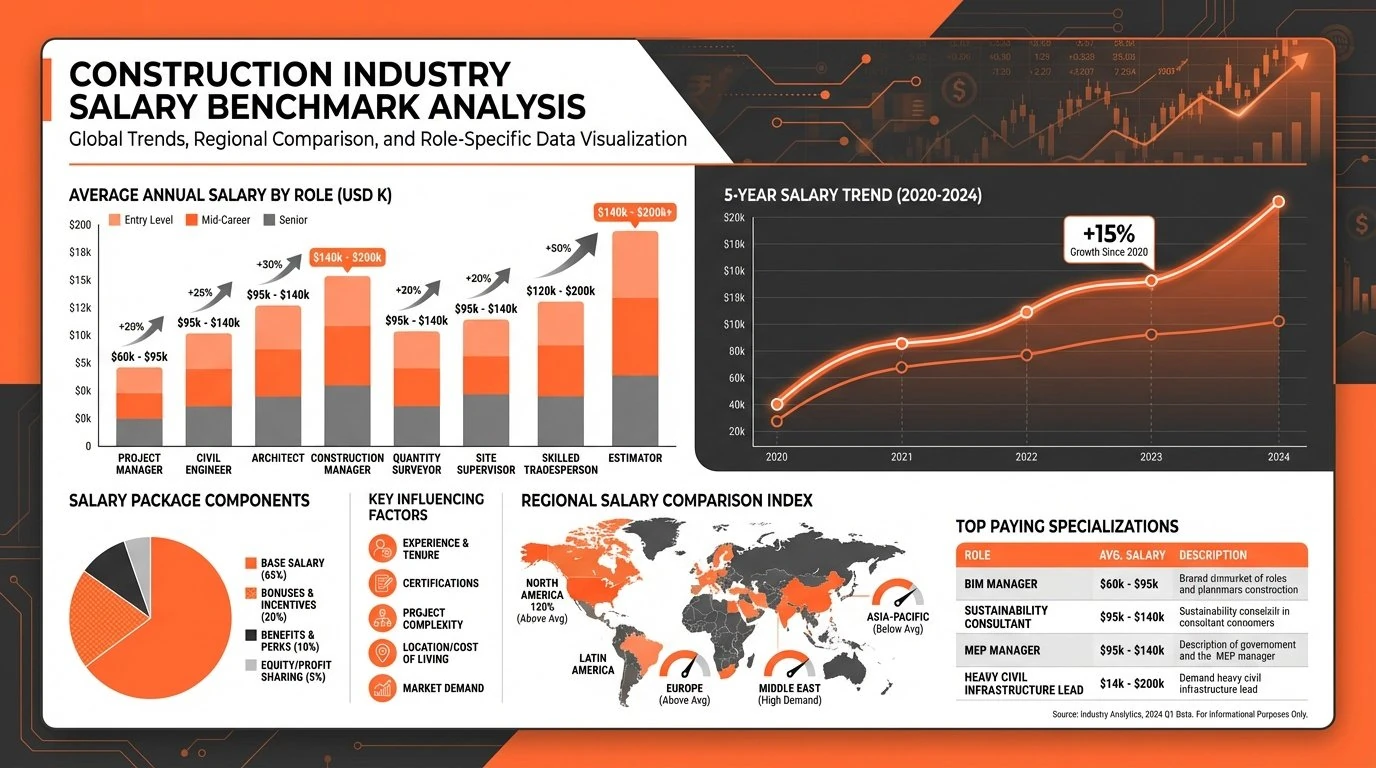
Why Salary Benchmarks Matter
Real salary data helps you:
- Offer competitive pay that attracts skilled workers
- Avoid overpaying for roles
- Plan your budget more accurately
- Negotiate fairly with candidates
Where to Find Reliable Salary Data
Check trusted sources like:
- Ministry of Manpower (MOM) salary guidelines
- Industry salary surveys
- Reports from a recruitment agency in Singapore
- Salary data from job boards
Apply Benchmarks to Your Hiring
Before posting a job, research what similar companies pay for the same role. Consider:
- Years of experience required
- Technical skills needed
- Project complexity
- Location and working hours
This approach helps you stay competitive without overpaying.
2. Start Hiring 3 to 6 Months Ahead for Major Projects
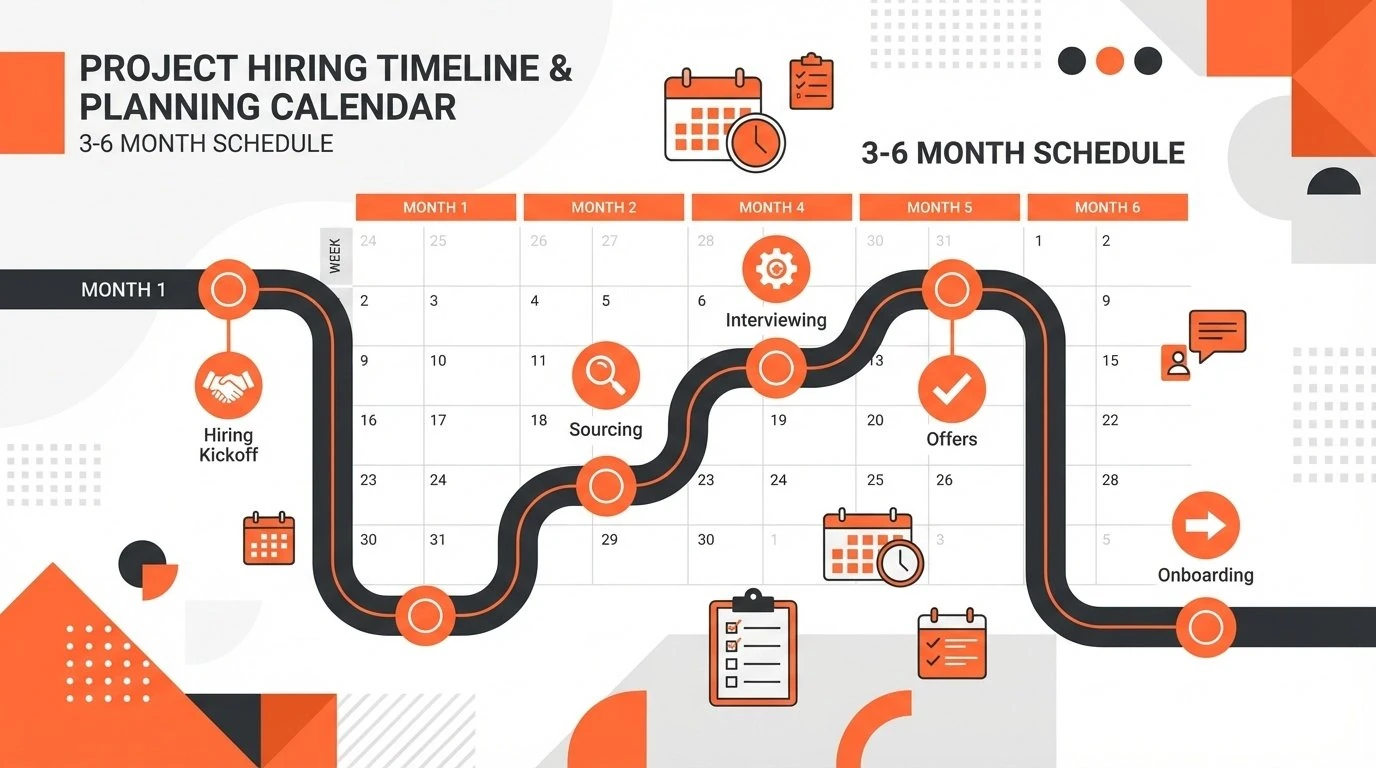
Waiting until the last minute to hire creates two big problems:
- You rush your decisions and may hire the wrong people
- You pay premium rates because of urgency
Plan Ahead to Save Money
When you hire early, you:
- Have time to find the best candidates
- Negotiate better salary terms
- Avoid rush fees from recruitment agencies
- Reduce project delays
How to Build a Hiring Timeline
For large construction projects:
- 6 months before project start: Identify key roles needed
- 4 to 5 months before: Begin advertising and screening
- 3 months before: Conduct interviews and make offers
- 2 months before: Onboard and train new hires
This timeline gives you enough buffer to find quality talent at reasonable rates.
Work with Specialists
If you are managing multiple projects, partner with a construction recruitment agency that understands your industry. They can help you build talent pipelines early.
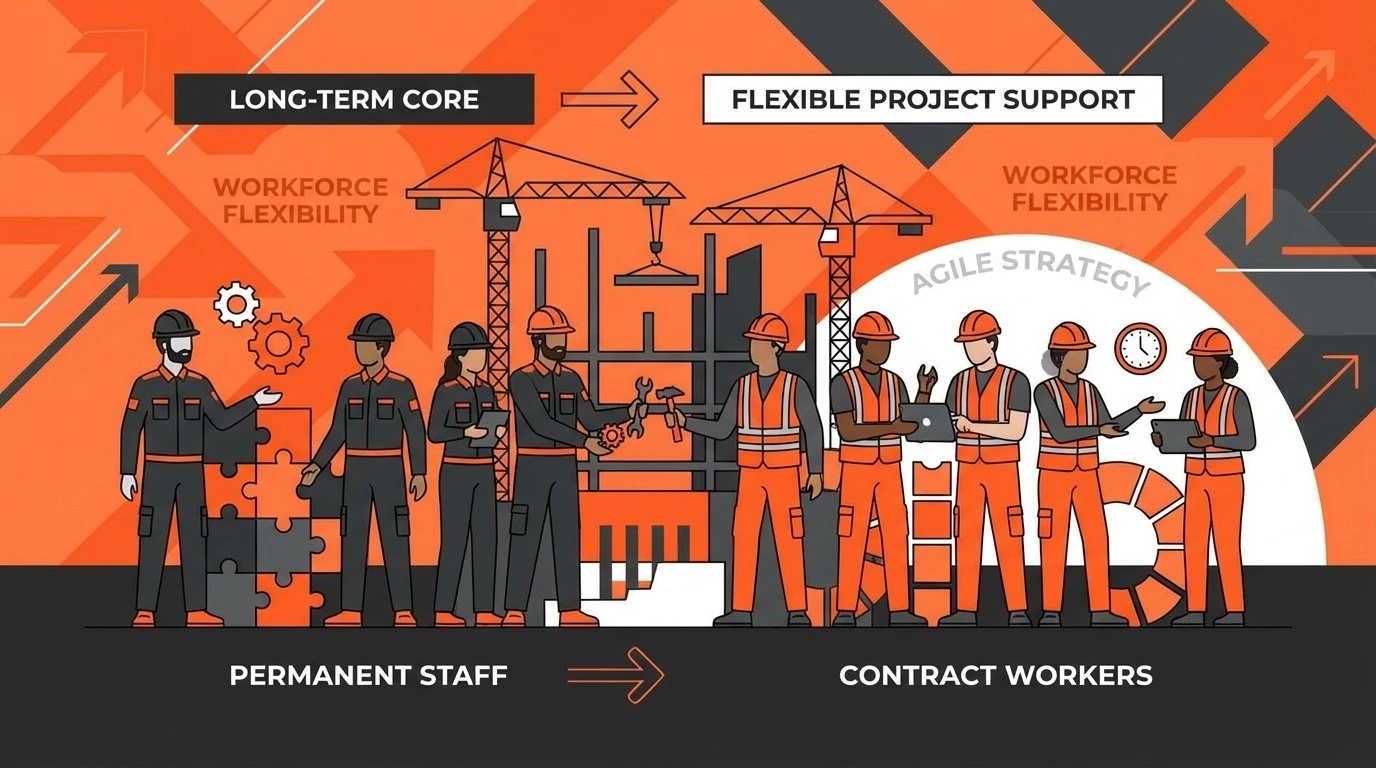
3. Mix Permanent and Contract Manpower to Control Costs During Peak Periods
Not every role needs a permanent hire. During peak project periods, mixing permanent staff with contract workers can save significant costs.
Benefits of a Mixed Workforce
- Flexibility: Scale up or down based on project needs
- Cost savings: Pay contractors only when needed
- Lower overhead: No long-term benefits or salary commitments for contract roles
- Access to specialists: Bring in experts for specific phases
Which Roles Should Be Permanent?
Keep these roles as permanent staff:
- Project managers
- Senior engineers
- Safety officers
- Core site supervisors
Which Roles Work Well as Contracts?
Consider contract or temporary staff for:
- Skilled trades (welders, electricians, formwork specialists)
- BIM modelers for specific project phases
- Quantity surveyors for peak periods
- Additional safety coordinators during high-risk phases
How to Manage a Mixed Team
To manage both permanent and contract workers effectively:
- Set clear roles and responsibilities
- Ensure good communication between teams
- Provide proper onboarding for contract staff
- Use the same safety and quality standards for all workers
Structured Manpower Planning Reduces Delays and Payroll Inflation
For companies managing multi-year projects, structured manpower planning is essential. Without a clear plan, you may:
- Hire too many workers during slow periods
- Face manpower shortages during critical phases
- Pay inflated salaries due to poor timing
Create a Manpower Forecast
Build a forecast that shows:
- How many workers you need each quarter
- Which skills are required at each project phase
- When to hire permanent staff versus contractors
- Budget allocation for each hiring phase
This helps you avoid last-minute hiring panics and unnecessary payroll costs.
Track and Adjust Your Plan
Review your manpower plan regularly. If project timelines change, adjust your hiring schedule. This flexibility helps you stay on budget and avoid overstaffing.
Work with Experts to Hire Smarter
Hiring skilled construction workers does not have to be expensive or stressful. By using real salary benchmarks, planning ahead, and mixing permanent and contract staff, you can build a strong team without overpaying.
If you need support with construction hiring, CoreStaff can help. We specialize in finding skilled construction talent quickly and cost-effectively.
Related reading:
- Year-End Hiring Strategy: Why Q4 is Golden Window for Recruitment
- Overcoming Singapore’s Manufacturing Talent Shortage with Strategic Hiring
Contact CoreStaff for Construction Recruitment Support
Need help hiring skilled construction workers? CoreStaff understands the challenges you face. We work with companies across Singapore to find the right talent at the right price.
Get in touch:
- Phone: +65 6288 6866
- Email: recruit@corestaff.com.sg
- Website: www.corestaff.com.sg
Let us help you hire smarter, not more expensively.